Shoreline buffers keep phosphorous out of the lake!
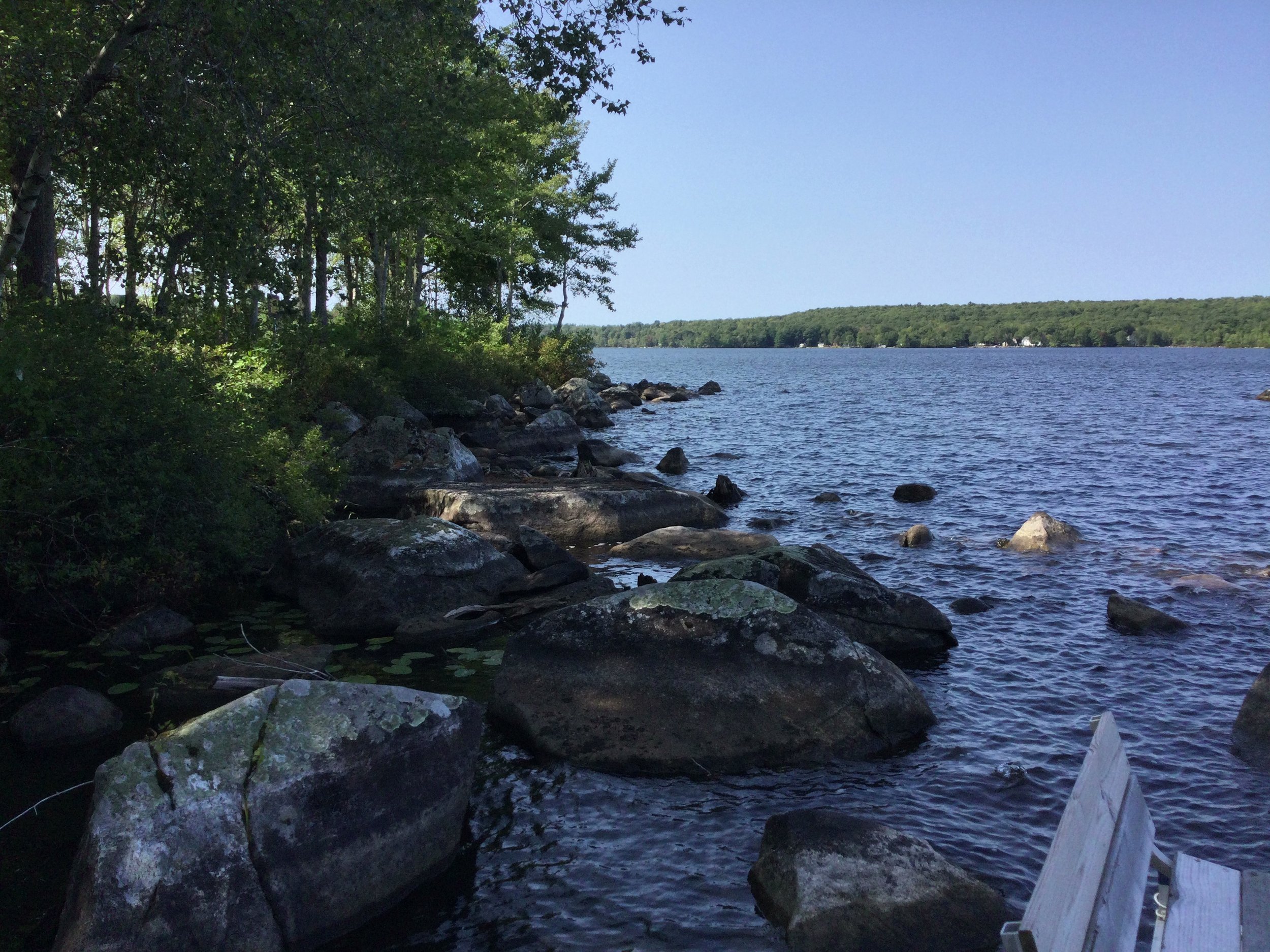
The shoreline buffer is the “last line of defense” in protecting Togus Pond from polluted stormwater runoff.
Be a part of the solution! Natural shoreline buffers are not only beneficial to the health of the lake, they increase the beauty of your property and provide important habitat for birds, insects, small mammals and even fish.
Link to Jen Jespersen’s slide presentation at the August 2025 Buffer Workshop. Lots of great info here about the benefits of buffers with examples of before and after installation as well.


Some resources below to get you started. We can also help! Contact WLA for a LakeSmart visit and our trained volunteers will come out and help you find ways that you can improve your property to help protect Togus Pond.
Maine Lakes has lots of additional resources for Best Management Practices for your lakeside property here.

Videos courtesy of Maine Lakes, an local organization that works to support everyone who values and benefits from clean water and healthy lakes in Maine, including lake residents, lake associations, surrounding communities, vacationers and the next generation of lake stewards.
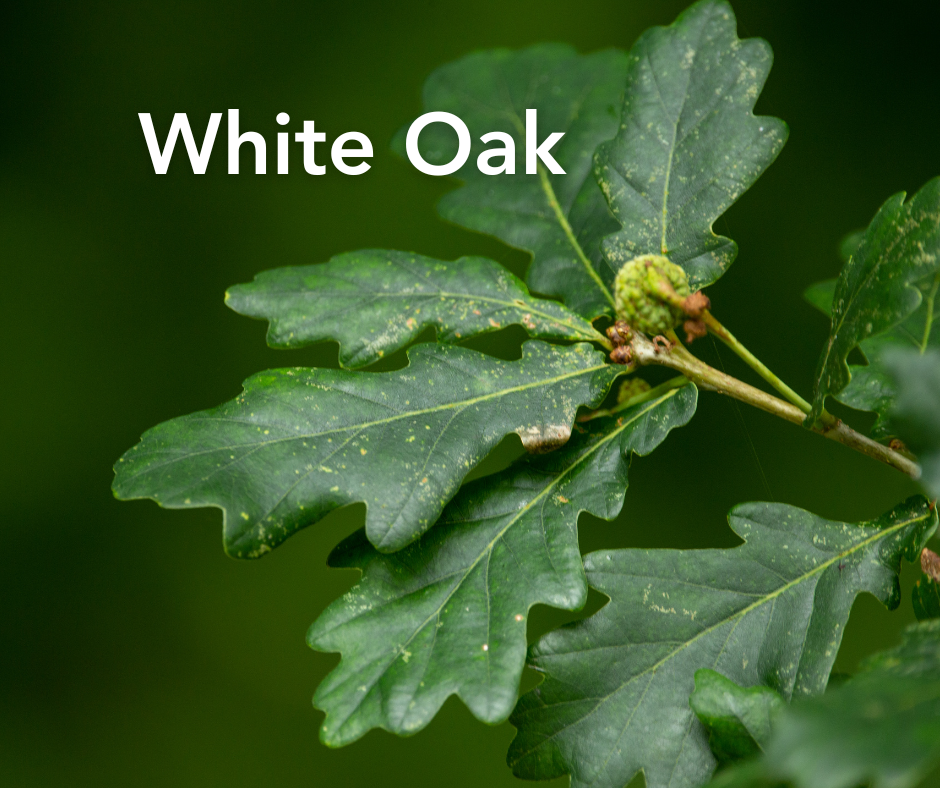
Below are a few of our favorite native plants to consider for your shoreline buffer. Descriptions of most of these can be found on Maine Audubon’s Plant Finder. A great resource for learning about native plants. Link here.








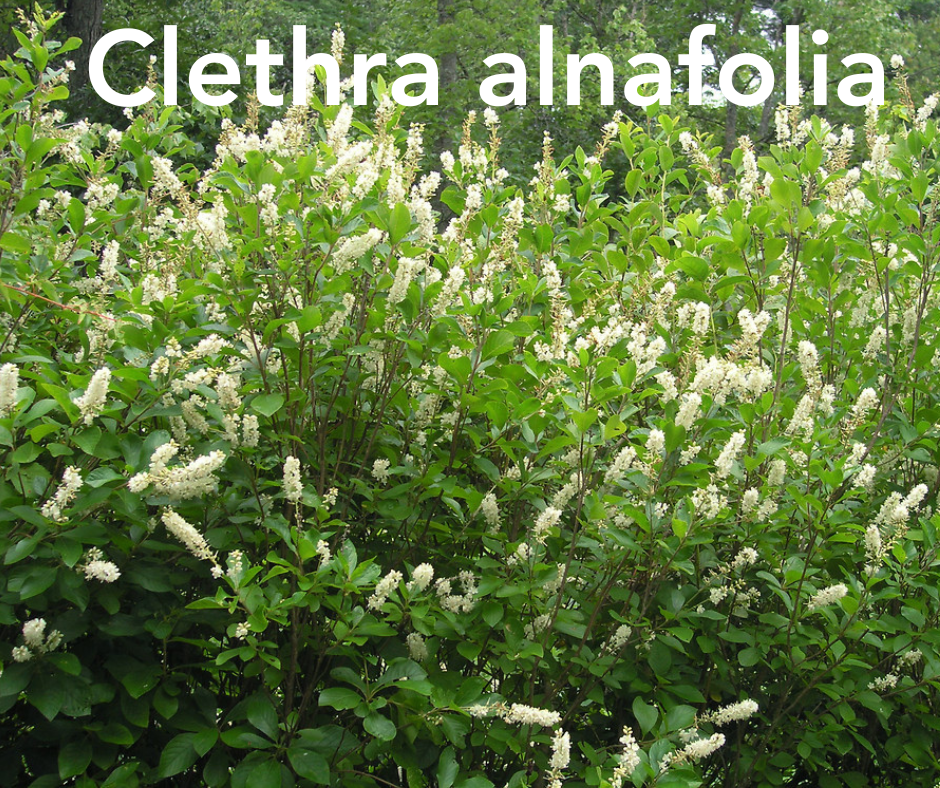
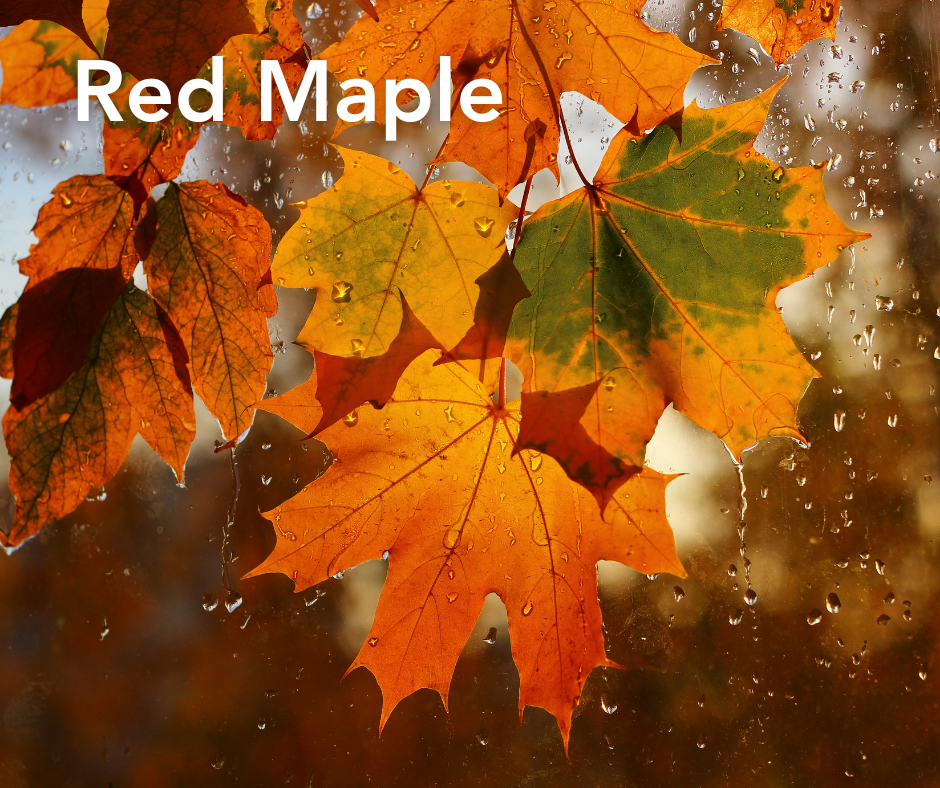
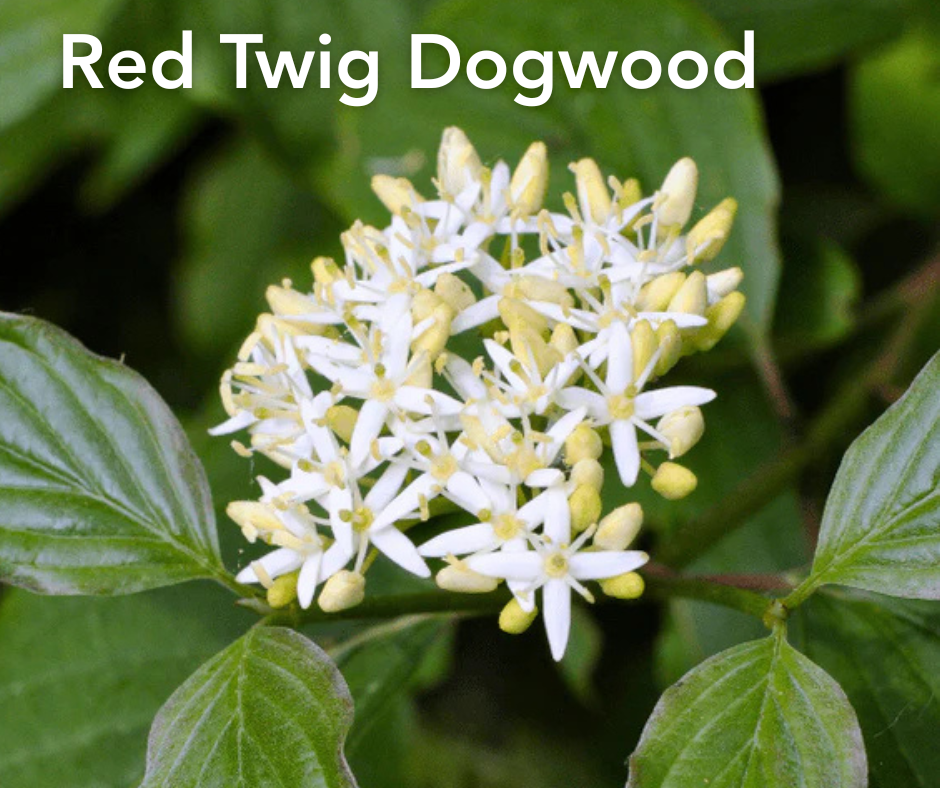


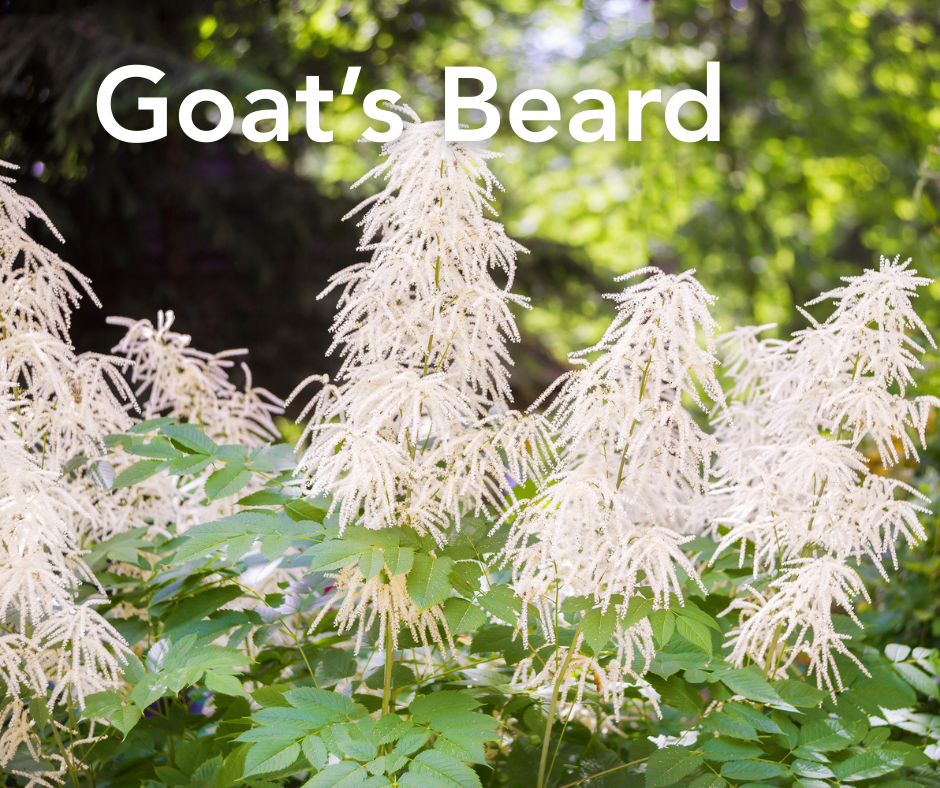


Some resources for where to purchase native plants. Maine also has some great organizations where you can learn all about growing native plants!
Check each link below for lists of native plant growers.

Live Stakes
Live stakes are woody-shrub cuttings from established native plants that, once plugged into the ground, root quickly to help establish buffer vegetation and stabilize hard-to-plant shorelines. Live stakes are planted during the spring or fall, when the plants are dormant. The roots from an established live stake work to hold soil in place, mitigating soil erosion.
A living shoreline is the goal.
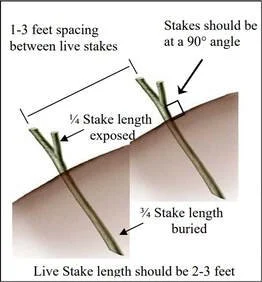
Some other species to consider:
Allow your shoreline to become more resilient to erosion and function as a native system by planting live stakes. Native live stakes will root directly into your shoreline. As roots are established they will help to protect your shoreline from erosion.
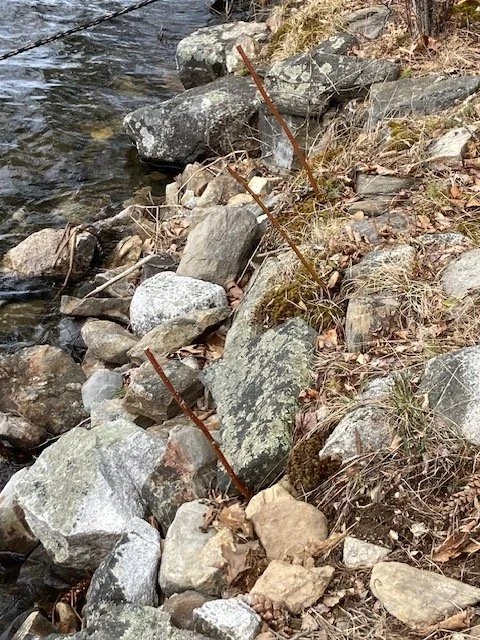
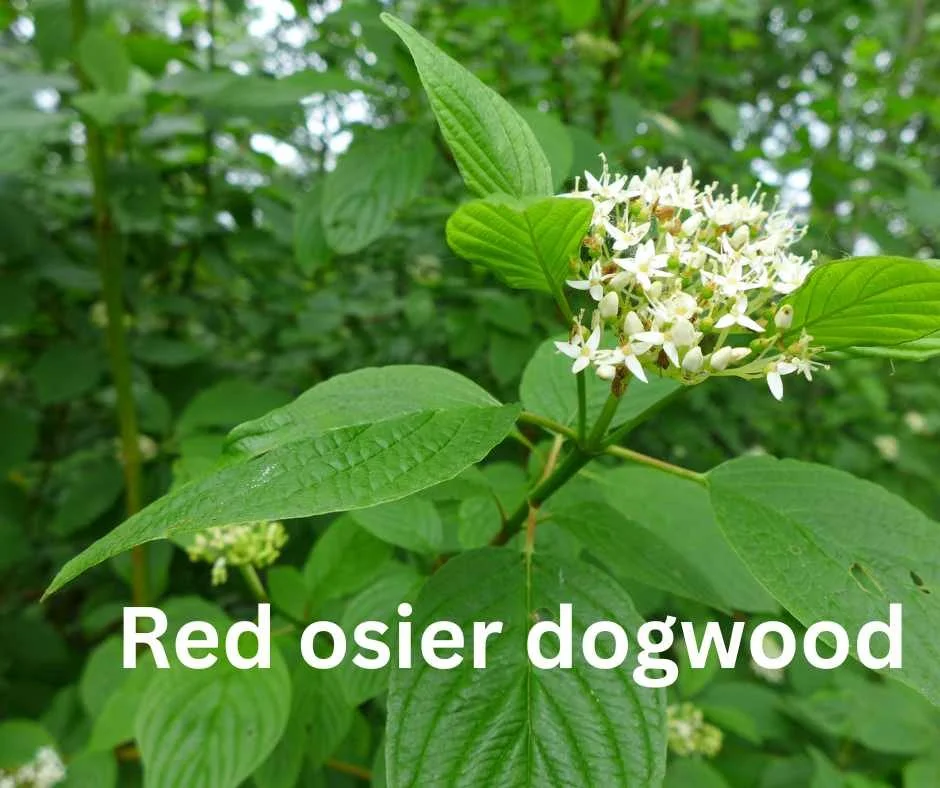
Some of the best native species to use for live stakes are Red osier Dogwood, Grey Dogwood, and Pussy Willow. These shrubs have strong root systems to stabilize banks, are naturally found along lakes and streams, and can grow from cuttings. live stakes, like other plants, should be planted in areas with suitable soils, moisture, and sunlight.
Click on a species to learn more about it!
Silky dogwood (Swida amomum)
Red osier dogwood (Swida sericea)
Ninebark (Physocarpus opulifolius)
Arrowwood (Viburnum dentatum)
Meadowsweet (Spirea alba)
Pussy willow (S. discolor)
Heart-leafed willow (S. eriocephala)
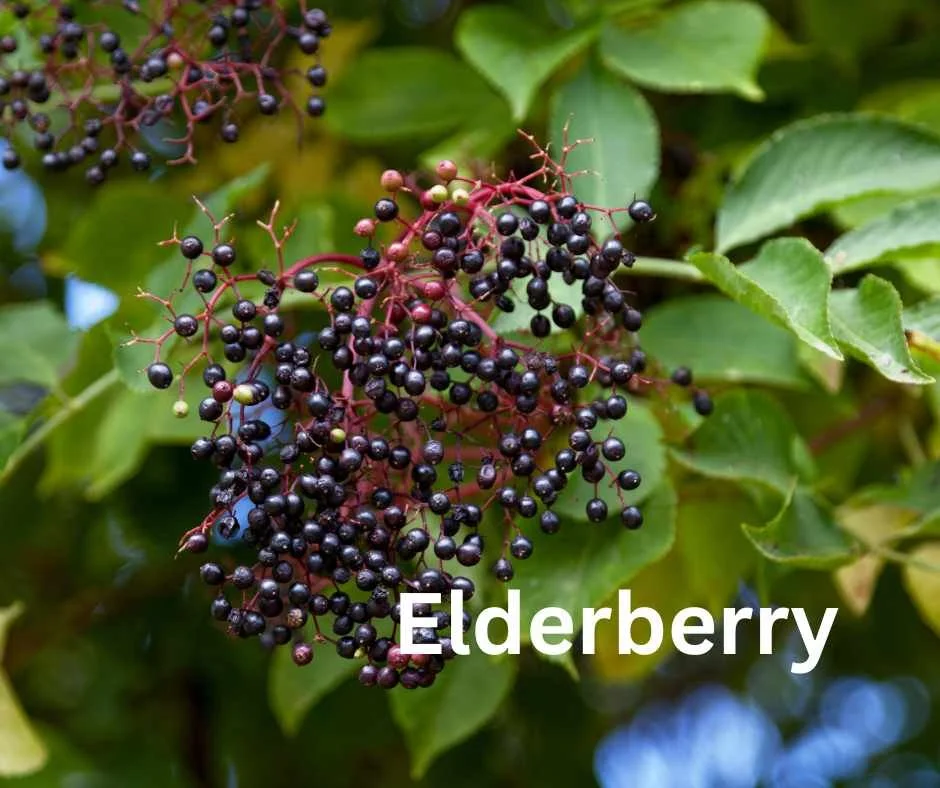
Elderberry (Sambucus canadensis)
Live stakes can be collected from established/mature plants. This is a very cost effective option, but make sure that permission is granted by property owners before gathering cuttings off a healthy parent plant. For best results, live stakes should be harvested and planted while the parent plant is dormant in late October until the ground is frozen, or in the spring before plants start to leaf-out. The northern part of the state should aim for spring plantings because the frost heaves plants that are not established. When gathering live stakes,make sure part of the thick end of the branches are at least ½ inch in diameter (the larger the diameter the better).